In brief: Aphasia is a language disorder that affects a person’s ability to speak, understand speech, read, and write. It is most commonly caused by stroke, but can also result from traumatic brain injury, brain tumors, or other neurological events. It does not affect intelligence. With consistent, evidence-based speech therapy, many adults with aphasia make meaningful and lasting progress. As a Florida-licensed SLP offering telehealth services statewide, I work with adults living with aphasia across Florida — from the comfort of their home.
Aphasia Speech Therapy for Adults in Florida
About the Author

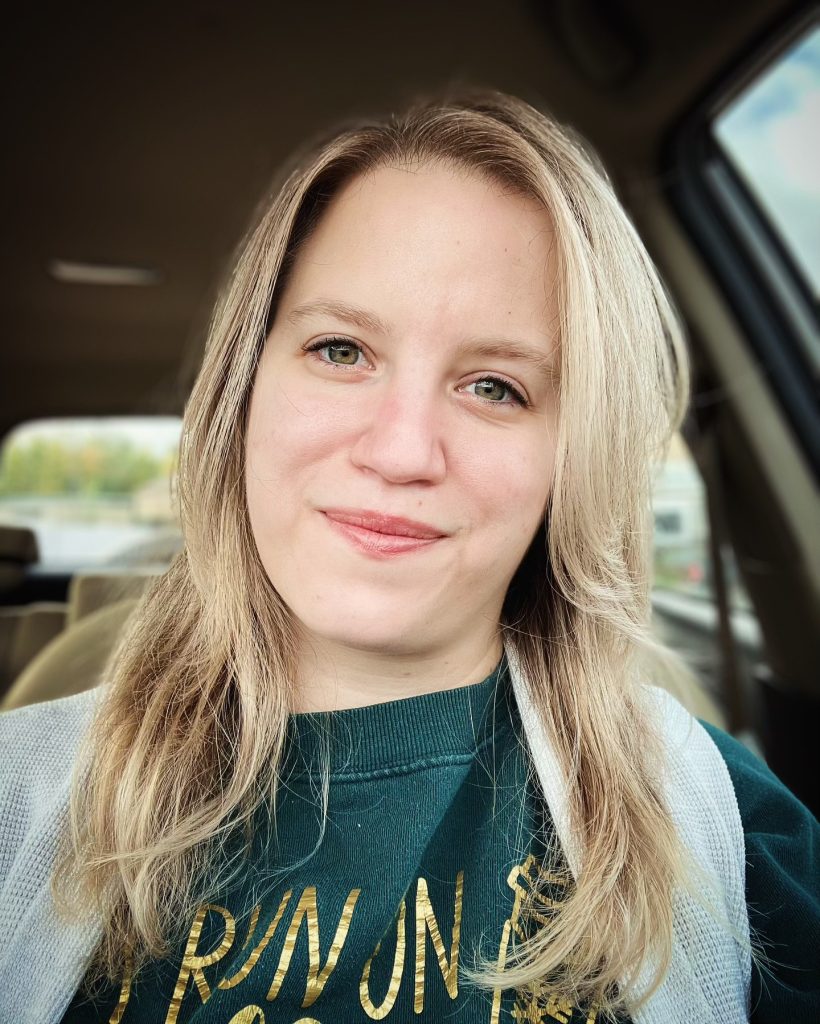
Tatiana Dunnett (CCC-SLP)
Your Speech Pathologist
A Florida-licensed, ASHA-certified speech-language pathologist offering telehealth speech therapy for adults across Florida — voice therapy, accent modification, stuttering, and aphasia support. Learn more about me.
Aphasia Speech Therapy for Adults in Florida
Aphasia is a language disorder — not a cognitive one. People living with aphasia know what they want to say. They have the thought, the idea, the feeling. What aphasia disrupts is the ability to retrieve the words, form the sentences, or understand what others are saying to them.
This distinction matters enormously. Aphasia does not mean a person is confused, cognitively impaired, or unable to participate in their own life and decisions. It means the part of the brain that handles language has been affected, and the communication pathways that once felt automatic now require significant effort.
For the person living with aphasia, that experience can be profoundly isolating. Conversations that once felt effortless become exhausting. Relationships change. Professional life may feel out of reach. The gap between what someone knows and what they can express becomes a daily source of frustration — for them and for the people who love them.
That gap is exactly what speech therapy is designed to address.
What causes aphasia?
The most common cause is stroke. When a stroke affects the left hemisphere of the brain — where language processing is centered — aphasia is a frequent result. How severe the aphasia is and which aspects of language are most affected depends on where in the brain the stroke occurred and how much tissue was involved.
Other causes include traumatic brain injury (TBI), brain tumors, neurological infections, and progressive neurological conditions. In some cases, aphasia develops gradually rather than suddenly — this is known as primary progressive aphasia (PPA), and it requires its own specialized approach.
Types of aphasia
Aphasia is not one thing. It presents differently depending on the nature and location of the neurological event. Understanding the type of aphasia helps shape the therapy approach.
Broca’s aphasia (expressive aphasia)
The person understands language relatively well but struggles to produce it. Speech may be effortful, halting, or reduced to short phrases. Writing is often similarly affected. This is sometimes called “non-fluent” aphasia.
Wernicke’s aphasia (receptive aphasia)
Speech flows relatively easily but may include incorrect or made-up words, making it difficult for others to understand. The person may also have difficulty understanding what is said to them. This is sometimes called “fluent” aphasia.
Global aphasia
The most severe form, affecting both the ability to produce and understand language. Often occurs immediately after a large stroke and may improve significantly with early and consistent therapy.
Anomic aphasia
The person has particular difficulty finding specific words — especially nouns and verbs — even though their understanding and sentence structure are relatively intact. Word-finding difficulties are the primary challenge.
Primary progressive aphasia (PPA)
A gradual deterioration of language ability caused by neurodegeneration. Unlike stroke-related aphasia, PPA progresses over time. Therapy focuses on maintaining communication ability and developing compensatory strategies for as long as possible.
Why Choose a Florida-Licensed SLP for Online Aphasia Therapy?
If you are a resident of Florida, your speech therapy must be provided by a clinician who meets the state’s rigorous professional standards. Working with a registered provider ensures your care is both high-quality and fully compliant.
Florida Board Oversight: I am registered with the Florida Board of Speech-Language Pathology and Audiology to provide services. This means my clinical standards and ethical practices are monitored by the same board that governs all Florida healthcare providers.
Seamless Telehealth Compliance: I use HIPAA-compliant technology specifically vetted for Florida’s telehealth requirements, ensuring your private health information (PHI) is protected to the highest legal standard.
Specialized for Adults: My practice is dedicated to adult neurogenic communication disorders. Unlike “generalist” clinics, I focus specifically on the complex needs of those recovering from strokes or brain injuries.
Convenience & Consistency: Because my services are 100% online, you can access specialized Aphasia therapy from anywhere in Florida—without the physical fatigue or logistical stress of traveling to an in-person clinic.
Can aphasia improve with therapy?
Yes — and this is one of the most important things for people living with aphasia, and for their families, to understand. The brain retains a remarkable capacity for reorganization and adaptation, a quality known as neuroplasticity. With consistent, evidence-based therapy, many adults with aphasia make meaningful improvement — sometimes years or even decades after the initial event.
The degree of improvement varies depending on the type and severity of aphasia, the person’s overall health, how soon therapy begins, and how consistently it continues. But the evidence is clear: therapy works, and it is never too late to start.
Early therapy tends to produce faster gains, particularly in the months immediately following a stroke. But people who begin therapy later — or who return to therapy after a gap — also make real progress. The brain is more adaptable than most people realize, and the relationship between effort and outcome in aphasia recovery is a genuinely encouraging one.
What does aphasia speech therapy involve?
Aphasia therapy is highly individualized. The approach depends on the type of aphasia, the person’s goals, their living situation, and what communication challenges are affecting their daily life most significantly.
Common approaches include:
Constraint-induced language therapy (CILT) — intensive practice that encourages the person to use verbal communication even when it is difficult, gradually rebuilding the neural pathways for spoken language.
Semantic feature analysis — a structured approach to improving word retrieval by working through the features and associations connected to a target word.
Script training — practicing specific, personally meaningful scripts (a phone call to a family member, ordering at a restaurant) to build fluency in high-value real-life situations.
Augmentative and alternative communication (AAC) — introducing tools and strategies that support communication when verbal language is significantly limited: gesture, writing, drawing, communication apps, or speech-generating devices.
Functional communication training — focusing on the specific communication tasks that matter most to this person in their daily life, and building practical strategies around those goals.
Across all of these approaches, the goal is the same: to help the person communicate as effectively as possible in the situations that matter most to them — not to achieve a clinical benchmark, but to rebuild a life that feels connected and engaged.
Why telehealth works well for aphasia
Telehealth is often an excellent option for adults with aphasia, for several reasons.
First, travel can be genuinely difficult after a stroke or neurological event. Fatigue, mobility challenges, and the complexity of arranging transportation create real barriers to in-person therapy. Online sessions remove those barriers entirely — therapy happens where the person already is, on their schedule, without the physical and logistical demands of getting to a clinic.
Second, familiar environments tend to reduce anxiety. For many people with aphasia, communicating in unfamiliar settings with unfamiliar people adds a layer of stress that makes therapy harder. Working from home, with familiar surroundings and no waiting room, often creates a more comfortable baseline for the work.
Third, telehealth makes it easier to involve family members and caregivers in sessions when that is helpful — something that can make a significant difference in how well therapy strategies transfer into daily life.
Research consistently supports the effectiveness of telehealth for aphasia treatment. The evidence base is strong, and outcomes are comparable to in-person care for most aphasia types and presentations.
Aphasia therapy with Me
I work with adults living with aphasia after stroke, traumatic brain injury, and other neurological events — as well as those navigating primary progressive aphasia. Sessions take place over a secure, HIPAA-compliant telehealth platform, and are built around your specific goals, your communication challenges, and what matters most in your daily life.
If you are a family member or caregiver looking for support for someone you love, I welcome that conversation too. Understanding aphasia — and knowing how to communicate more effectively with someone who has it — can make an enormous difference for everyone involved.
You don’t have to navigate aphasia alone.
Whether you’re living with aphasia or supporting someone who is, I’d love to talk. I work with adults across Florida via secure telehealth — no commute, no waiting room, just focused support built around your specific goals.
Florida residents only · Privacy policy · Telehealth only · No spam, ever
Frequently Asked Questions about aphasia
Is aphasia the same as dementia?
No. Aphasia is a language disorder, not a cognitive one. People with aphasia have intact thinking, reasoning, and memory — the challenge is with language specifically. Dementia involves a broader decline in cognitive function. The two conditions are distinct, though they can sometimes co-occur.
Can someone with severe aphasia still benefit from therapy?
Yes. Even with severe aphasia, therapy can help build functional communication strategies, reduce frustration, and improve quality of life. The goals may be different than for someone with mild aphasia, but meaningful progress is possible at every level of severity.
How long does aphasia recovery take?
There is no single answer to this question. Some people make rapid gains in the early weeks and months after a stroke. Others make slower, steadier progress over years. What the research consistently shows is that improvement is possible well beyond the first year, and that continuing therapy is one of the strongest predictors of ongoing gains.
Do you work with family members of people with aphasia?
Yes. Supporting family members and caregivers is an important part of aphasia therapy. I can provide education about aphasia, communication strategies for conversations with your loved one, and guidance on how to support their progress between sessions.
Do you accept insurance for aphasia therapy?
I am currently a private pay practice and do not bill insurance directly. Some clients are able to use HSA or FSA funds, or seek reimbursement through their insurance provider as an out-of-network benefit. I provide documentation to support those requests. I am happy to discuss payment options during your free consultation.
Where can I access aphasia speech therapy for adults in Florida?
Aphasia speech therapy for adults in Florida is available via telehealth to any Florida resident aged 18 or older. Sessions are conducted over secure video — no commute, no waiting room. I serve adults throughout Florida — including Miami, Orlando, Jacksonville, Tampa, Fort Lauderdale, West Palm Beach, and everywhere in between. If you are in Florida and over 18, we can work together.
What do I need for online sessions?
A stable internet connection, a device with a camera and microphone (laptop, tablet, or smartphone), and a quiet space where you can speak and listen without significant background noise. Sessions take place on a secure, HIPAA-compliant video platform.
This post is for informational purposes only and does not constitute medical advice. If you or someone you love has experienced a stroke or other neurological event, please seek immediate medical attention. For questions about whether speech therapy is right for your situation, a free consultation is the best place to start.
Also treating Parkinson’s disease voice changes
If your loved one has Parkinson’s disease rather than aphasia, speech therapy can still help. Voice changes — softer volume, reduced clarity, flattened expression — are among the earliest symptoms. Tatiana offers a singing-based approach to Parkinson‘s voice therapy via telehealth throughout Florida.