Do you have a healthy workforce?
Working on wellness? Healthy Vocal Habits are an integral component to organizational learning and development.
Protect, Preserve, and Promote Healthy Voice Habits through group training and coaching.
Working on wellness? Healthy Vocal Habits are an integral component to organizational learning and development.
Protect, Preserve, and Promote Healthy Voice Habits through group training and coaching.
With mounting healthcare costs, increased sick days, lost income and deals, having a healthy voice is integral to individual and organizational success.



Some examples include:


Entrepreneurs and Founders
Refine your vocal delivery to inspire confidence, build credibility, and communicate their vision effectively.

Health Professionals
Improve your vocal delivery and health. Enhance trust, reduce misunderstandings, and make challenging conversations more impactful.

Lawyers
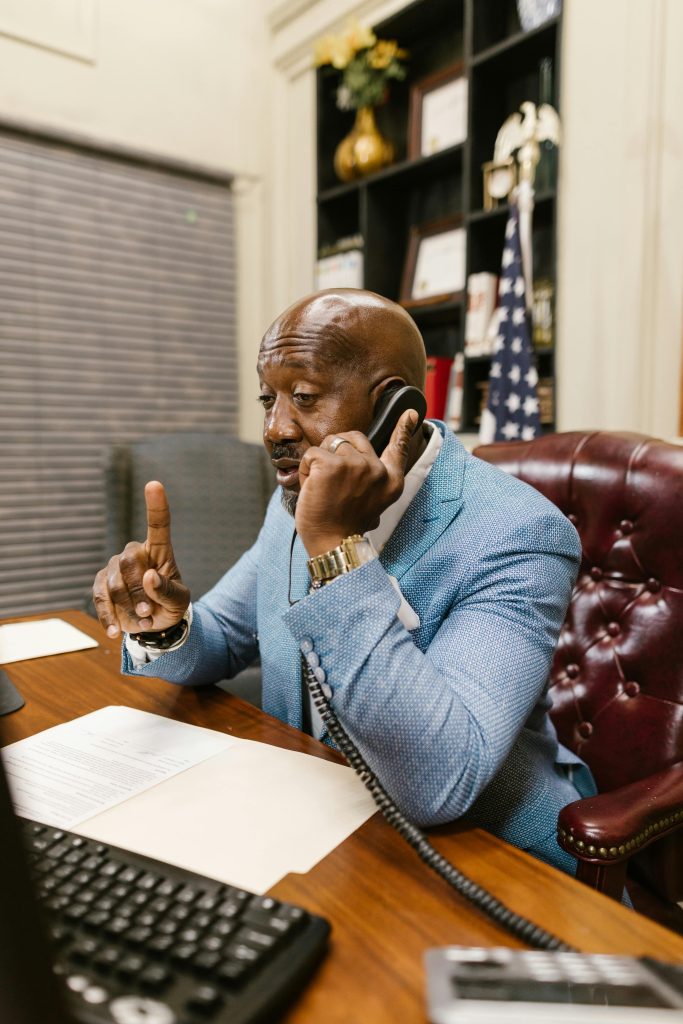
Vocal training can help lawyers project authority, control their tone, and adapt their delivery for maximum impact in various settings.

Public Relations Professionals and Spokespersons
Manage your nerves, project confidence, and deliver consistent messaging under pressure.


Senior Executives
Inspire teams, deliver speeches, command attention, convey authority, and adapt to different contexts, while protecting your voice.

Trainers and Corporate Coaches
Improve vocal endurance, clarity, and variation to keep participants attentive and engaged.
Voice disorders account for up to 40 lost workdays and about $3,400 in short-term disability payments per claim annually. This impact is comparable to chronic conditions like asthma, heart disease, and depression.
Source: Duke University
There are a variety of conditions that contribute to vocal health, including aging, alcohol, allergies, dehydration, screaming, smoking, voice misuse or overuse, and more.
Source: Mayo Clinic
A U.S.-based study found the lifetime prevalence of a voice disorder was 29.9%, with 6.6% of participants reporting a current voice disorder.
Source: PubMed
Beth Fairbairn
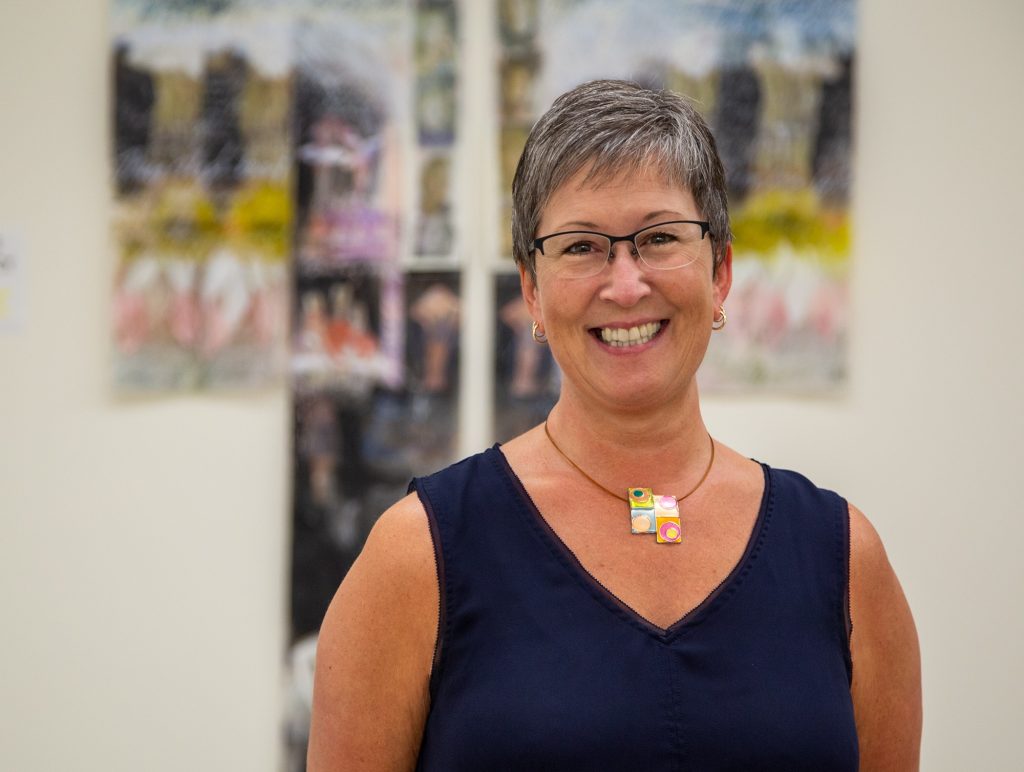
Tatiana has a lovely presence online as an instructor, she has a voice that is easy to listen to, and she made the workshop, interactive and engaging for all.
As a classically-trained vocalist, American Speech-Language Hearing Association certified speech-language pathologist, and experienced manager, I understand the challenges of the voice, and I know what it means to keep up productivity and drive down costs and lost opportunities that are preventable.
I offer a variety of online custom workshops, ranging from lunch-and-learns to more comprehensive workshops, that focus on your organizational needs.
Some of the areas I focus on include:
Vocal Health and Protecting Your Voice
Good and bad vocal habits, optimizing your environments, building vocal resiliency and stamina are just a few variables in the long-term health and success of your voice.
Strategies for Clear Communication
Self-consciousness about accents, clarity of speech, speech rate, or anxiety about speaking are just a few variables that can impact overall communication success.
Job and Workflow Design
Organizations can establish a workplace that facilitates the productivity and the well-being of their employees by prioritizing both vocal and environmental health.
Let’s connect and discuss your organizational needs and deliver an excellent workshop that will help you meet your goals.