In brief: Theme park performance places unique demands on the voice — multiple shows daily, outdoor heat and humidity, singing while moving, and the expectation of consistent quality across a full season. Tatiana Dunnett, a Florida-licensed, ASHA-certified Speech-Language Pathologist and classically trained vocalist, offers specialized voice preparation for performers preparing for high-demand auditions including Disney World. Sessions are available via secure telehealth to adults across Florida. Read on to learn more.
Voice Therapy for Theme Park Performers: How to Prepare for a Disney World Audition
About the Author
Tatiana Dunnett (CCC-SLP)
Your Speech Pathologist
A Florida-licensed, ASHA-certified speech-language pathologist offering telehealth speech therapy for adults across Florida — voice therapy, accent modification, stuttering, and aphasia support. Learn more about me.
Disney Live Entertainment holds open casting calls throughout the year — and if you’re preparing for a theme park vocal audition in Orlando, whether for Festival of the Lion King, Voices of Liberty, or any of the other high-demand performance roles at Walt Disney World, you’ve probably heard some version of the same advice: you need the spark.
The talent, the range, the presence.
And yes, you do. But here’s what most performers aren’t told until it’s too late: talent alone doesn’t sustain a theme park performance career. What does is a voice that’s been specifically conditioned for the demands of that environment — and those demands are unlike almost anything else in professional performance.
What Theme Park Performance Actually Requires of Your Voice
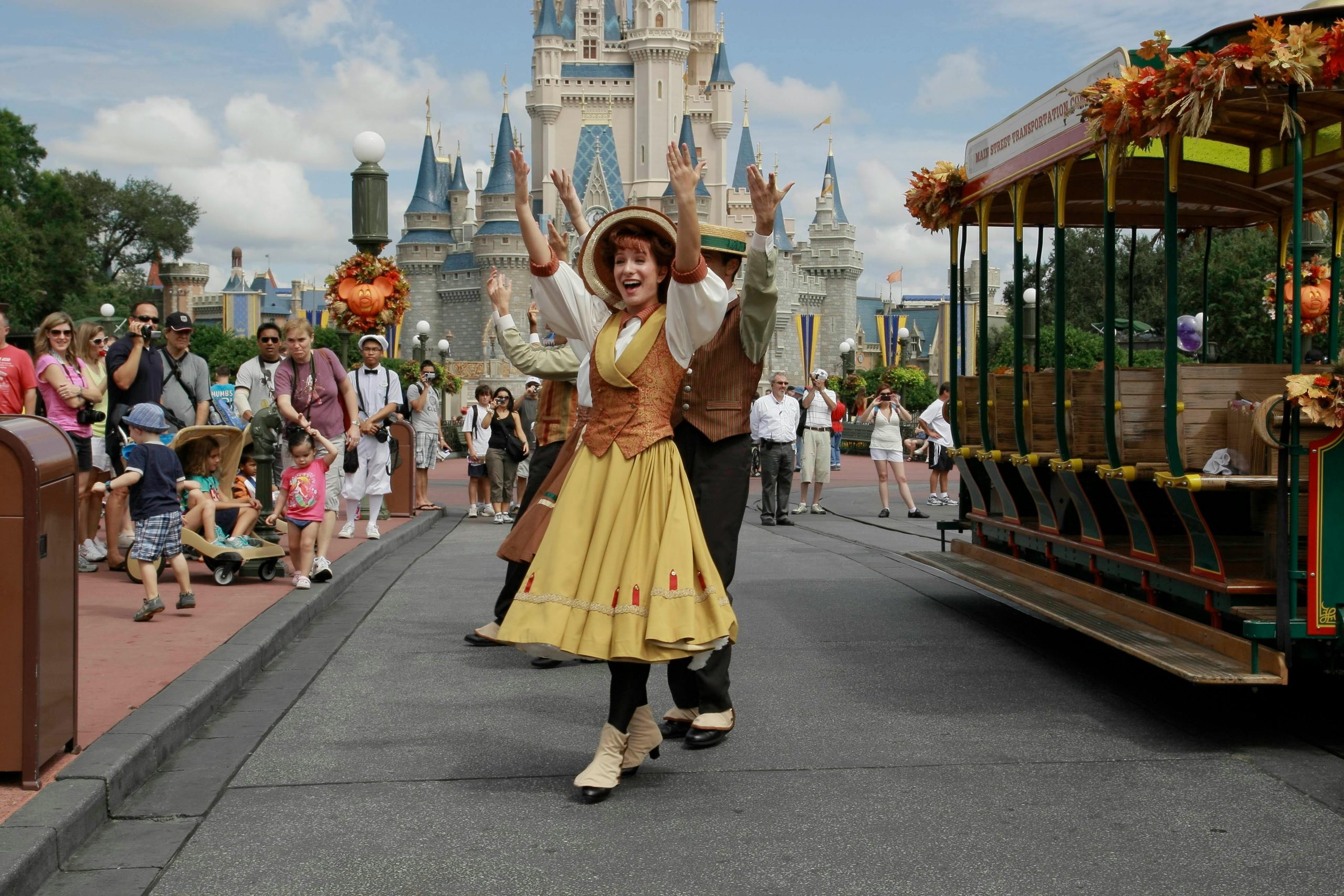
Theme park performers aren’t stationary singers. They’re expected to move while singing, maintain character and emotional expression across multiple shows a day, perform in outdoor heat and humidity, and do it all again tomorrow.
This creates a very specific challenge: your voice has to function efficiently while your body is under physical load. That’s not just a performance skill — it’s a coordination and conditioning challenge that most traditional vocal training doesn’t address directly.
Here’s what breaks down for many performers in this environment:
- Breath support collapses during movement, leading to pushed or strained tone
- Vocal clarity and resonance fade as the day progresses
- Early vocal fatigue sets in — sometimes by the second show
These aren’t signs of insufficient talent. They’re signs that the voice hasn’t been prepared for the specific demands of the job.
Why a Theme Park Audition Is Actually a Stress Test
Casting teams for theme park productions aren’t just evaluating your sound in the room. They’re listening for longevity — whether your voice can hold up across a full season of daily performances. A trained ear can hear the difference in about 30 seconds.
Your voice isn’t just being evaluated. It’s being stress-tested.
What they’re listening for: efficient breath support, stable placement across different physical positions, and consistent tone quality without compensatory tension.
What often gets a performer passed over: a beautiful voice that’s working too hard — one that sounds great in a controlled studio setting but shows signs of strain, breathiness, or inconsistency the moment the body starts moving.
The Overlooked Skill: Voice and Movement Coordination
One of the most common breakdowns I see in performers preparing for high-demand auditions happens the moment they’re asked to move.
Suddenly the breathing becomes shallow. Tension creeps into the neck and shoulders. Vocal control becomes inconsistent.
From a clinical perspective, this isn’t a talent problem. It’s a lack of integrated voice and breath training under physical demand.
What performers actually need going into a theme park audition:
- Breath support that adapts to movement — not just breath support at rest
- Stable vocal placement across different body positions
- Reduced compensatory tension in the neck, jaw, and shoulders
- Consistent airflow during dynamic activity
This is the kind of work that sits at the intersection of voice science and performance — and it’s exactly where working with a Speech-Language Pathologist who specializes in voice is different from traditional vocal coaching.
How an SLP Approaches Performer Voice Preparation
A vocal coach helps you make music. An SLP who specializes in voice helps you make music without injuring the instrument — and helps you build a voice that can sustain the demands of professional performance over time.
The focus isn’t on perfecting your audition. It’s on preparing your voice to:
- Function efficiently under physical and environmental demand
- Maintain clarity and consistency across a full day of performances
- Withstand repeated use without fatigue or injury
In other words: we train the instrument for a long-standing career, not just a single audition moment.
As both a licensed Speech-Language Pathologist and a classically trained vocalist, I understand what these environments ask of performers from the inside. The vocal demands of outdoor performance, the acoustic challenges of large-scale theatrical spaces, the compounding effect of heat and humidity on vocal fold hydration — these aren’t abstractions. They’re the daily reality of the performers I work with.
A Note on Song Selection
Audition requirements for theme park roles often specify non-Disney material. Follow those guidelines.
But from a vocal health standpoint, the most important question about your song choice isn’t what you’re singing — it’s whether the material supports your natural voice. The biggest mistakes performers make in audition prep:
- Oversinging for impact (forcing range or tone to impress)
- Mimicking original cast recordings (which are often produced to sound bigger than they are)
- Choosing material that pushes the edges of their range rather than showcasing the best of it
Casting teams want to hear what your voice does well — not how hard it can work. Vocal efficiency and consistency will always out-perform vocal effort.
Your Voice Is an Investment — Treat It Like One
Auditions are temporary. Your voice is not.
The performers who build lasting careers in theme park entertainment — the ones who are still doing eight shows a week years into their contract — are the ones who treated their voice as a long-term asset from the beginning. Not just talent to be showcased, but an instrument to be maintained, conditioned, and protected.
If you’re preparing for an Orlando theme park audition and you want to make sure your voice is ready for not just the room but the job, I offer specialized SLP-led voice sessions designed for performers and professional voice users.
We work on breath support and control under movement, vocal stamina and endurance, tension reduction and injury prevention, and consistency across a full performance day.
Sessions are available via secure telehealth — accessible to adults in Florida.
This is not medical advice. If you are experiencing chronic vocal pain or dysfunction, please consult a physician or ENT specialist before beginning voice therapy.
Your voice is the audition — and the career.
If you’re preparing for a theme park performance role and want to make sure your voice is ready for the job — not just the room — I’d love to help. I work with performers and professional voice users across Florida via secure telehealth.
Florida residents only · Privacy policy · Telehealth only · No spam, ever
Frequently Asked Questions
Can a speech-language pathologist help with audition preparation? Yes — particularly for high-demand performance environments like theme parks. An SLP specializing in voice focuses on the functional efficiency and endurance of your vocal instrument, not just the artistry. For performers who need their voice to hold up across multiple shows daily, this clinical perspective is often the missing piece in audition preparation.
What makes theme park performance different from other vocal performance? Theme park performance combines singing with movement, outdoor environmental demands (heat, humidity, wind), high daily vocal load across multiple shows, and the expectation of consistent quality over an extended contract. This combination requires specific conditioning that goes beyond standard vocal technique training.
How is an SLP different from a vocal coach for performer voice prep? A vocal coach focuses on artistry, style, and musical performance. An SLP specializing in voice focuses on the physiology — how your voice functions, where inefficiency or tension is creating risk, and how to build the coordination and stamina needed for sustained professional performance. For serious performers, both perspectives are valuable.
Do you need to be in Orlando to work with you? No. All sessions are conducted via secure telehealth, so you can work with me from anywhere in Florida — or beyond, depending on your situation. Many performers preparing for Orlando auditions work with me remotely from other states or even internationally.
When should I start voice preparation before an audition? Ideally, at least 6–8 weeks before your audition date. This gives enough time to address any areas of inefficiency, build stamina progressively, and practice the integrated voice-and-movement coordination that theme park casting teams are listening for. Starting earlier is always better.
What if I’m already experiencing vocal fatigue or strain? Don’t push through it. Vocal fatigue is your body’s signal that something in your technique or conditioning needs attention. Continuing to perform or rehearse intensively through fatigue increases injury risk significantly. A consultation with an SLP can help identify what’s causing the fatigue and create a plan to address it before your audition.
Have questions?