In brief: Online speech therapy for professionals is a telehealth service that helps working adults protect, strengthen, and recover their voice — without taking time away from their careers. Tatiana Dunnett is a Florida-licensed, ASHA-certified Speech-Language Pathologist offering one-on-one sessions via secure video for adults across Florida. Whether you’re dealing with vocal fatigue, accent clarity, or communication confidence, sessions are built around your real workday: not a clinical checklist. Read on to learn more.
Online Speech Therapy for Professionals: When Your Voice Is Part of Your Job
About the Author

Tatiana Dunnett (CCC-SLP)
Your Speech Pathologist
A Florida-licensed, ASHA-certified speech-language pathologist offering telehealth speech therapy for adults across Florida — voice therapy, accent modification, stuttering, and aphasia support. Learn more about me.
If your voice is your livelihood, you can’t afford to ignore what it’s telling you.
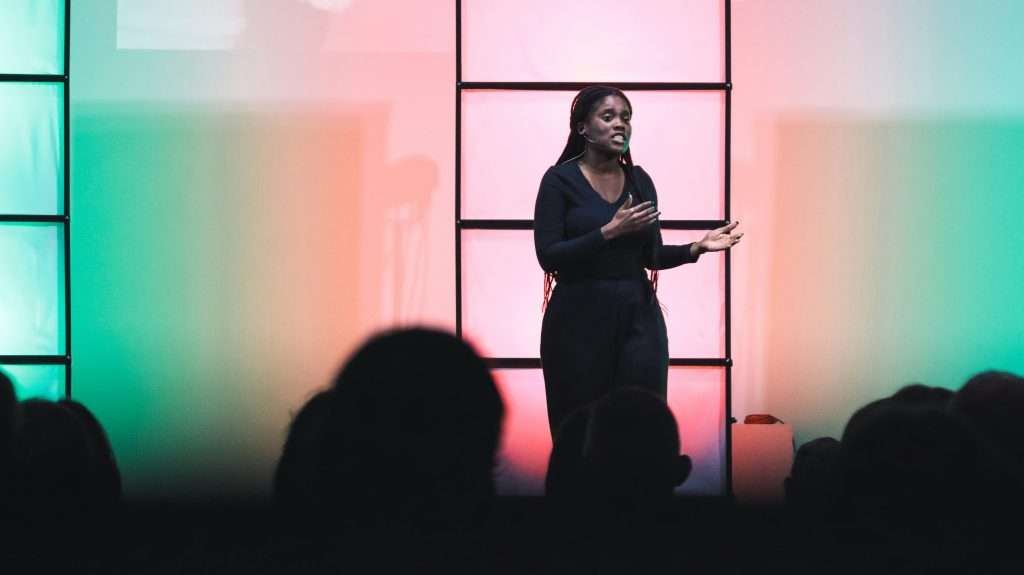
Whether you’re presenting to a boardroom, leading a classroom, recruiting candidates over the phone, or performing on stage: your voice is working hard every single day. And most professionals don’t think about it until something goes wrong.
I’m Tatiana Dunnett, a Speech-Language Pathologist and the founder of Speak for Joy. I offer online speech therapy for adults in Florida, and a big part of my practice is working with professionals who use their voice constantly and are starting to feel the cost.
Before I became an SLP, I studied music and completed classical vocal training for nine years. I also spent years in retail management, where communication under pressure was a daily part of the job. The culmination of my experiences shapes how I work with my clients: I understand both the clinical side of what’s happening to your voice and the real-world demands that make it hard to just “rest and hydrate.”

Who This Is For
You don’t have to be a professional singer to need voice support. I regularly work with:
Executives and managers who are in back-to-back meetings, presentations, and calls — and find their voice fading or feeling strained by end of day.
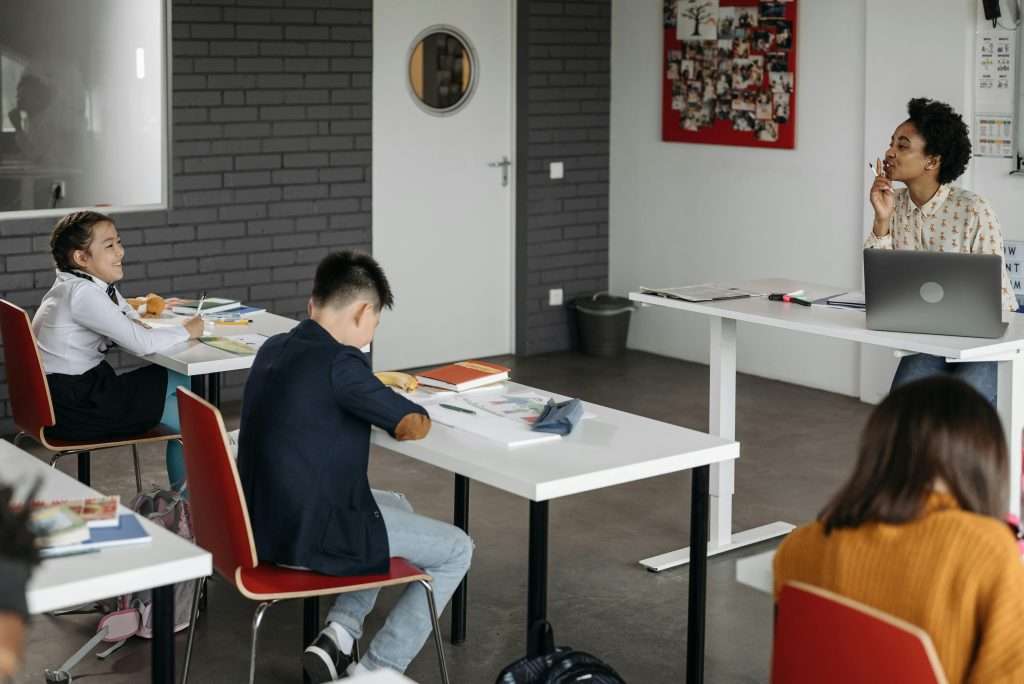
Teachers and professors who spend hours projecting to a room full of students, often in challenging acoustics, sometimes without a microphone.
Performers and presenters who are splitting their vocal energy between rehearsal and performance — and not leaving enough recovery time in between.
HR professionals, recruiters, and salespeople who are on the phone or video calls for hours at a time, often in environments that aren’t kind to the voice — dry office air, poor hydration habits, the pressure to stay “on.”
If any of that sounds like your week, keep reading.
What Vocal Fatigue Actually Feels Like
Vocal fatigue isn’t just losing your voice dramatically. It sneaks up on you. Common signs include:
- Your voice sounds different (hoarser, breathier, weaker) by afternoon
- You have to push harder to be heard by end of day
- You feel a persistent need to clear your throat
- Talking feels like more effort than it used to
- Your voice takes longer to “warm up” in the morning
These are your body’s signals. And they’re worth listening to before they become something bigger.
A Real Example: The Recruiter Who Was Running Out of Voice
One of my clients is an HR recruiter. She loves to sing: it’s her outlet outside of work. But between full days of phone calls and candidate interviews, and then singing in the evenings and weekends, her voice was taking a serious beating. By the time she came to me, hoarseness had become her new normal.
She wasn’t doing anything “wrong”: she was just asking too much of her voice without giving it the support it needed.
Together, we worked on several things: proper breath support so she wasn’t straining to be heard on calls, pacing her volume during singing practice versus performance, and building in the kind of intentional recovery her schedule had never made room for.
I also talked with her about hydration. Not just drinking water, but the right kind. Room temperature water throughout the day. Electrolytes without the sugar. And one surprising change: cutting the cream from her coffee, which was contributing to throat irritation she didn’t realize was affecting her voice. We also talked about humidity and air quality in her workspace: dry air is quietly hard on vocal cords.
After an ENT appointment confirmed early signs of vocal stress, she took the recommendations seriously. She’s reduced her singing schedule, become genuinely intentional about her daily habits, and most importantly: she’s learned to listen to the signals her voice and body are giving her. That awareness alone is a game-changer.
What Online Speech Therapy for Professionals Actually Looks Like
A lot of people assume speech therapy is just for children, or for people recovering from a stroke. But adult voice work, especially for professionals, is a significant part of what SLPs do, and telehealth makes it more accessible than ever.
When we work together, we start with your specific situation: What does your workday look like? Where does your voice feel most taxed? What are your goals? More endurance? Clearer projection? Less strain? Being more readily understood?
From there, I build a plan that fits your real life. For professionals, that typically includes some combination of:
Breath support training. Most people breathe from their chest. Diaphragmatic breathing, breathing from the belly, is the foundation of a strong, sustainable voice. I teach this to every professional I work with, because it changes everything.
Vocal hygiene habits. These are the daily practices that protect your voice: hydration, managing throat clearing, warming up appropriately, avoiding the extremes of yelling and whispering (yes, whispering is hard on your voice, too!), and knowing when to give your voice a genuine rest.
Pacing and projection strategies. There’s a difference between projecting and straining. I help clients find efficient, sustainable ways to be heard, including knowing when to use a microphone, how to position yourself in a room, and how to modulate volume without pushing.
Recovery practices. Warm water with lemon. Warm green tea with honey. Humidifiers. Time off from heavy voice use after high-demand events. These sound simple, but most professionals have never been taught them intentionally. You need strategies that will work for YOU, and that’s what I do with my clients.
The Professor Who Found His Voice in the Classroom
Another client was a professor: a non-native English speaker who was struggling to be understood by his students and, over time, had lost confidence in his ability to communicate clearly in an academic setting.
We worked together for 16 weeks on accent modification, but it was never about erasing where he came from. It was about clarity, pacing, and confidence. We worked on slowing his speech rate, using strategic pauses, and making sure he was facing his students when introducing new concepts so they could use visual cues alongside the verbal ones. I also suggested he use the lecture hall microphone he’d been avoiding, which immediately reduced the strain of projecting and helped his students hear him more clearly.
By the end of our work together, he was measurably more understandable and noticeably more confident. Those two things feed each other, too.
You Don’t Have to Wait Until It Breaks Down
This is the thing I wish more professionals knew: you don’t have to wait until you’re hoarse, or until you’ve lost your voice before a big presentation, or until an ENT tells you there’s a problem.
Preventive voice work is some of the most effective work I do. And for professionals who depend on their voice, it’s genuinely one of the smartest investments you can make.
I offer online sessions for adults in Florida, which means you can work with me from your home, your office, or wherever your workday takes you. No commute. No waiting room. Just focused, practical support for your voice.

Frequently Asked Questions About Online Speech Therapy for Professionals
How many sessions will I need?
It depends on what you’re working on. For vocal fatigue and hygiene habits, many clients see meaningful change in just a few sessions. Accent modification can vary, depending on the needs. It might just be a few, or it might take more time and sessions: I cater your therapy plan around you. We’ll talk through realistic expectations in your free consultation before you commit to anything.
What does a session actually look like?
Sessions are 45–60 minutes via secure video. We’ll spend time on exercises, real-world application, and strategy: not just talking about what to do, but actually practising it together. Between sessions, I’ll give you specific things to work on that fit into your daily routine.
Do you take insurance?
I currently work on a private pay basis. Many clients use HSA or FSA funds, and I’m happy to provide documentation you can submit to your insurer for potential out-of-network reimbursement. If coverage is a concern, let’s talk about it during your consultation.
Is telehealth actually effective for speech therapy?
Yes, and the research backs this up. For the kinds of issues professionals typically bring to me (vocal fatigue, projection, accent modification, communication confidence), telehealth is just as effective as in-person therapy. It also means I can work with adults across all of Florida, not just those who live near a clinic.
Who is this for — do I need a referral or a diagnosis?
No referral needed. I work with adults 18+ across Florida who want to improve their voice, communication, or clarity. You don’t need a diagnosis to book a consultation. If I assess that you’d benefit from seeing an ENT or physician first, I’ll tell you, but most of my clients come to me directly.
Ready to stop pushing through?
If your voice is part of your job, you can’t afford to ignore what it’s telling you. I work with professionals across Florida via secure telehealth — on your schedule, from wherever your workday takes you.
Florida residents only · Privacy policy · Telehealth only · No spam, ever